
No. “Eggshell,” “satin,” “pearl” and “low sheen” are useful product-family labels, but they are not reliable cross-brand measurements. When appearance matters, compare the exact product data sheet, note whether the number is measured at 60° or 85°, and view a dried sample of the actual product in the room.
The practical mistake is treating the finish word as if it were a universal step on one ladder. Sherwin-Williams groups several labels inside a low-to-medium reflection family, while Benjamin Moore tells specifiers to use each product’s technical data for the actual gloss or sheen. [2] [3]
Keep the label, number and sample separate
ASTM D523 defines instrument geometries at 20°, 60° and 85°. Paint makers commonly publish 60° gloss for medium and higher finishes, while 85° readings help distinguish low-sheen finishes. A number without its angle is incomplete. [1]
The published examples show why. Behr lists one Satin product at 15–25 gloss units at 60°. PPG’s line review prints eggshell at an 85° sheen range, satin at a 60° gloss range, and semi-gloss at another 60° range. Those figures are useful inside their stated products; they do not create a promise that every can carrying the same word will match. [4] [5]
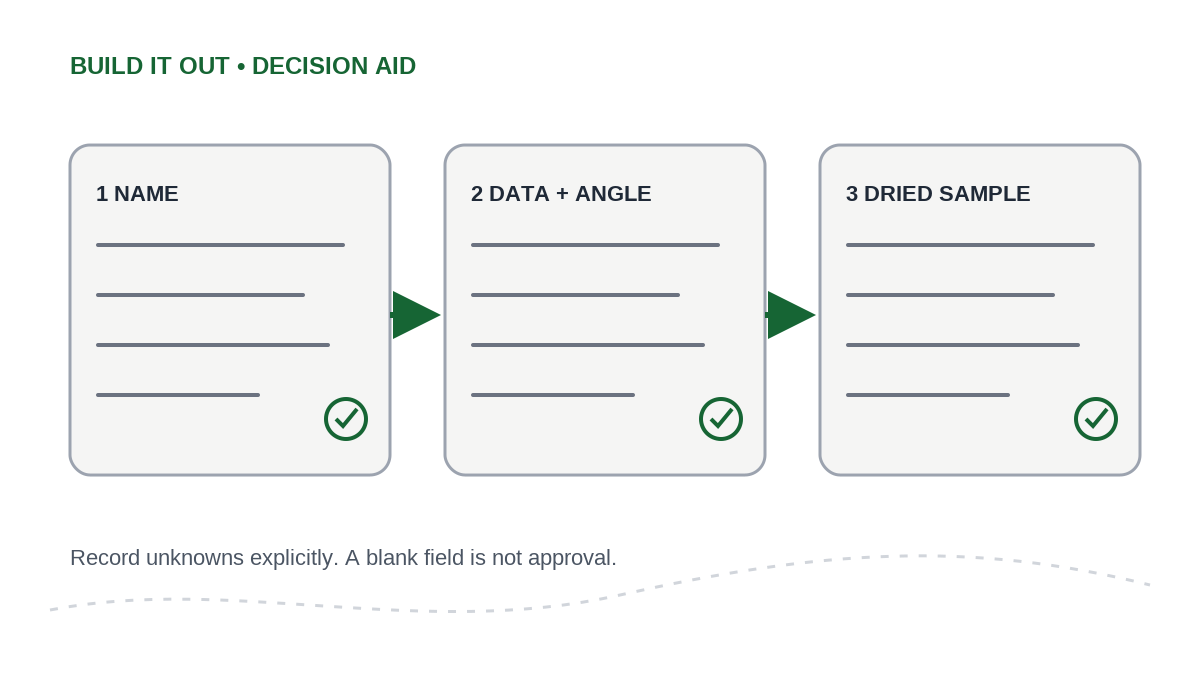
Use this comparison card before approving a substitution
| Field | Product A | Product B |
|---|---|---|
| Exact maker, line and sheen | Record from can or quote | Record proposed substitute |
| Published reading | Range + 60° or 85° | Range + 60° or 85° |
| Surface and preparation | Wall/trim and primer plan | Same conditions? |
| Dried sample | Viewed in actual light | Viewed beside A |
| Decision | Match, intentional change, or unresolved | |
Do not compare 60° and 85° numbers as if they were the same scale. If one data sheet omits a comparable reading, mark the numerical comparison unresolved. A painted sample can still settle the appearance decision, but it should use the intended primer, number of coats and surface texture.
Why a sample still matters
Dunn-Edwards notes that gloss can change how a color is perceived and that higher reflection can emphasize surface imperfections. ASTM also cautions that an instrument number does not capture every visual aspect. The room’s windows, fixtures and viewing angle can make a small finish difference noticeable. [6] [1]
Make a sample large enough to view straight on and at a shallow angle, then move it through morning and evening light. This is an appearance check, not a durability test. Cleaning and performance claims still come from the exact product documents.
Specification language is useful—but not a retail shortcut
MPI describes seven measured gloss levels. The NCPA and Salt River Project specifications show how a project can pair those levels with ASTM D523. That is a clearer contract reference than “a little less shiny,” but it does not automatically translate a retail eggshell in one line to a satin in another. [7] [8] [9]
For a homeowner quote, ask for the exact product line and sheen, not just brand and color. If a painter proposes a substitution, require an updated product record and decide whether a new sample is needed. The recurring homeowner comparisons in the inspected Houzz discussion show why the finish word alone leaves room for surprise. [10]
What to put in the paint schedule
- Room, wall or trim location.
- Manufacturer, product line, base and exact sheen name.
- Color name and formula identifier where supplied.
- Primer and preparation scope.
- Published gloss/sheen range and measurement angle, if available.
- Approved sample identifier and the lighting in which it was viewed.
When the goal is to reproduce an existing finish, keep a labeled chip or board. A color code cannot preserve sheen by itself. For why touch-ups can remain visible even when the color matches, see why touch-up paint shows.
Sources
- ASTM International: D523 Standard Test Method for Specular Gloss
- Sherwin-Williams: Paint Gloss & Sheen Guide
- Benjamin Moore: Master Specification and sheen definitions
- Behr Pro: Products and Services Reference Guide
- PPG Paints: Product Line Review
- Dunn-Edwards: Selecting Paint Gloss
- MPI: Why Gloss Matters: Navigating Optimal Performance
- NCPA / Lionakis: 2024 Dispatch Center Renovation Project Manual, Painting
- Salt River Project: Construction Specifications: Finishes
- Houzz Forum: BM eggshell or satin for dining and living room